The Difference Between Bonding and Veneers
When patients come to our office in Marrero, LA, one of the most common things we hear is, “I just want to feel confident when I smile.” Sometimes that means brightening teeth. Sometimes it means reshaping them. And very often, it means understanding the difference between cosmetic options that sound similar—but are actually very different.
Two of the most popular smile makeover treatments we offer are dental bonding and dental veneers. While both can dramatically improve the look of your smile, they serve different purposes, timelines, and budgets. Choosing the right option starts with understanding what each treatment can (and can’t) do.
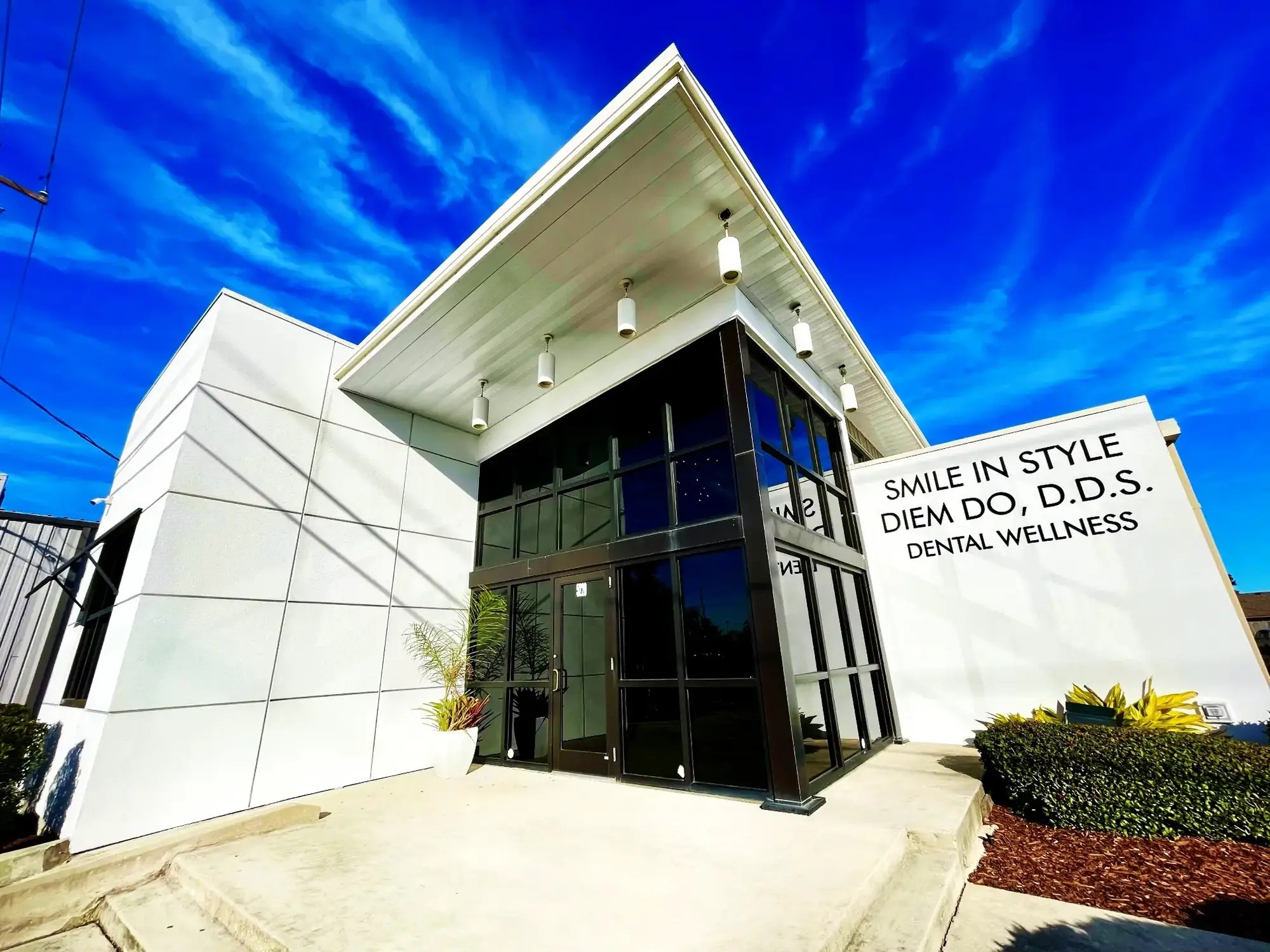
At Smile and Style, led by Dr. Diem Do, we believe education is just as important as treatment. That’s why we want to walk you through the real difference between bonding and veneers, what to expect from each, and how to know which one may be right for you.
Understanding Your Smile Makeover Options
Cosmetic dentistry has come a long way. Today, patients have more choices than ever when it comes to improving their smile—often with less time, less discomfort, and more customization.
Many of our patients are looking to change:
- The color of their teeth
- The shape or size of their teeth
- Uneven edges, chips, or wear
- Blotchiness or discoloration that whitening alone can’t fix
Two solutions we often discuss during consultations are bonding and veneers. While they’re sometimes grouped together in conversation, they are not interchangeable treatments. Each has its own strengths, limitations, and ideal candidates.
What Is Dental Bonding?
Dental bonding is one of the most exciting cosmetic options we offer because of how immediate and customizable it is.
Bonding uses a resin-based dental material that is carefully shaped and sculpted directly onto the tooth. Unlike veneers or crowns, bonding is done chairside, meaning everything happens right here in our office—often in a single visit.
For many patients, bonding is a wonderful way to:
- Change the color of their teeth
- Improve shape or symmetry
- Fix minor chips or worn edges
- Create a more uniform smile
One of the things we love most about bonding is that patients get to see their transformation in real time. The material is layered and shaped one tooth at a time, allowing us to customize the result based on your facial features, smile goals, and personal preferences.
As Trinh Do, RDH—who has over 30 years of experience—often explains, bonding is a great way for patients to “dip their toe” into cosmetic dentistry. It’s less invasive, more cost-effective, and provides instant results.
What Are Dental Veneers?
Dental veneers are thin shells—typically made of porcelain—that are custom-designed in a dental lab and bonded permanently to the front surfaces of the teeth.
Veneers are considered a more comprehensive, long-term cosmetic solution. They usually require:
- Multiple appointments
- Tooth preparation
- Custom fabrication by a dental lab
Because veneers are made of porcelain, they are highly resistant to staining and tend to last longer than bonding when properly cared for. They’re often chosen by patients who want a dramatic, long-lasting smile makeover and are ready to make a larger investment in their smile.
Key Differences Between Bonding and Veneers
Understanding the difference between bonding and veneers comes down to a few key factors.
Materials Used
Bonding uses a resin-based material, while veneers are made from porcelain. Porcelain is stronger and more stain-resistant, but resin allows for on-the-spot customization and adjustments.
Time Commitment
Bonding is often completed in one visit. Veneers typically require two or more appointments, including lab time.
Cost
Bonding is generally more cost-effective, making it accessible to a wider range of patients. Veneers involve a higher upfront investment due to materials and lab work.
Longevity
Bonding typically lasts 5–7 years, depending on oral habits and care. Veneers often last significantly longer.
Level of Commitment
Bonding can be a great trial smile—a way to explore cosmetic changes without a permanent commitment. Veneers are a more permanent decision.
The Artistry Behind Both Treatments
Both bonding and veneers require a high level of artistry and precision. A beautiful smile isn’t just about making teeth whiter—it’s about proportion, balance, and natural appearance.
With bonding, the artistry happens chairside. Each tooth is sculpted individually, allowing us to carefully refine shape and shade until it looks just right. Even though the material is resin, the process is meticulous and intentional.
With veneers, the artistry happens both in our office and in the dental lab. Veneers are designed with incredible detail, then permanently placed to create a seamless, natural look.
In both cases, experience matters. The difference between a “done” smile and a truly beautiful one is in the details.
What Dental Bonding Can Address
Bonding is incredibly versatile. We often recommend it for patients who want to address:
- Discoloration that whitening can’t fix
- Blotchy or uneven tooth color
- Minor chips or uneven edges
- Teeth that appear too small or irregular
Because bonding is customizable, we can adjust the shade and contour until the smile looks even and harmonious.
One of our favorite things about bonding is how empowering it is for patients. You get to see the process, give feedback, and walk out the same day with a smile that feels like you.
When Veneers May Be the Better Choice
While bonding is a great option, it’s not always the best solution for every patient.
Veneers may be a better choice if you:
- Want a long-term solution with maximum durability
- Need significant color or shape changes
- Are looking for the highest level of stain resistance
- Are ready for a more permanent cosmetic investment
This is why consultation is so important. Our goal is never to push one treatment over another—it’s to help you choose what truly fits your goals and lifestyle.
A Real-World Example: Choosing Bonding First
We often see patients who have tried multiple whitening options but still feel unhappy with their smile. One patient came to us frustrated by years of blotchiness and uneven color. Whitening alone just wasn’t giving her the uniform look she wanted.
With dental bonding, we were able to:
- Complete her transformation in one visit
- Customize the shade to exactly what she envisioned
- Create a more even, polished smile
The result was immediate—and emotional. Her biggest regret? Not doing it sooner.
Stories like this are why we love bonding as an entry point into cosmetic dentistry. It allows patients to experience real change without pressure.
Longevity and Maintenance: Bonding vs. Veneers
No matter which option you choose, maintenance plays a huge role in longevity.
Bonding typically lasts 5–7 years, while veneers can last longer. However, both depend on:
- Good home care
- Regular professional cleanings
- Managing habits like grinding or biting on hard objects
Keeping plaque and biofilm under control is essential for protecting any cosmetic dental work. When patients commit to routine care, their results last longer and look better over time.
How to Know Which Option Is Right for You
Choosing between bonding and veneers isn’t about what’s “better”—it’s about what’s right for you.
During a consultation, we evaluate:
- Your current dental health
- Your smile goals
- Your timeline and budget
- Your expectations
From there, we can recommend a solution that aligns with your needs and helps you feel confident in your decision.
The Importance of a Personalized Consultation
Cosmetic dentistry is never one-size-fits-all. That’s why the first step is always a thorough consultation.
We take the time to:
- Assess your smile and oral health
- Talk through your goals
- Set realistic expectations
- Create a plan that feels comfortable and exciting—not overwhelming
Whether bonding or veneers are the right fit, our priority is helping you love your smile in a way that feels authentic and sustainable.
Final Thoughts: Choosing the Right Smile Transformation
Both dental bonding and veneers can be life-changing treatments. The key difference lies in commitment, longevity, and approach.
Bonding offers flexibility, affordability, and immediate results. Veneers provide durability and long-term transformation. Neither is “better”—they simply serve different purposes.
If you’re considering cosmetic dentistry and want honest guidance, we’d love to help. At Smile and Style in Marrero, LA, Dr. Diem Do and our team are here to guide you every step of the way.
📞 Call us at (504) 340-9400 to schedule your consultation and take the first step toward a smile you truly love.